The Essential Edge: Understanding and Utilizing Tactical Gear
4/28/2025
In a world where preparedness and efficiency are paramount, tactical gear has moved beyond the realm of military and law enforcement to find relevance in various civilian applications. From outdoor adventures and emergency preparedness to personal safety and demanding work environments, the right tactical equipment can provide a crucial edge. But what exactly constitutes tactical gear, and why is it so valued?
At its core, tactical gear is designed for functionality, durability, and ease of use in demanding situations. It prioritizes practicality over aesthetics, focusing on features that enhance performance and survivability. This often translates to rugged materials like high-denier nylon or Cordura, modular designs for customization, and intuitive operation even under stress.
One of the most recognizable categories of tactical gear is apparel. Tactical pants, for instance, are engineered with reinforced stitching, multiple pockets for carrying essential tools, and often feature water-resistant or ripstop fabrics. Similarly, tactical shirts are designed for breathability, durability, and often incorporate features like hidden pockets or loop fields for attaching patches.
Load-bearing equipment is another critical aspect. This includes vests, belts, and backpacks designed to distribute weight comfortably and provide quick access to essential items. Modular Lightweight Load-carrying Equipment (MOLLE) systems are a common feature, allowing users to attach pouches and accessories based on their specific needs. Whether it's carrying extra magazines, medical supplies, or communication devices, a well-designed load-bearing system is crucial for efficiency and readiness.
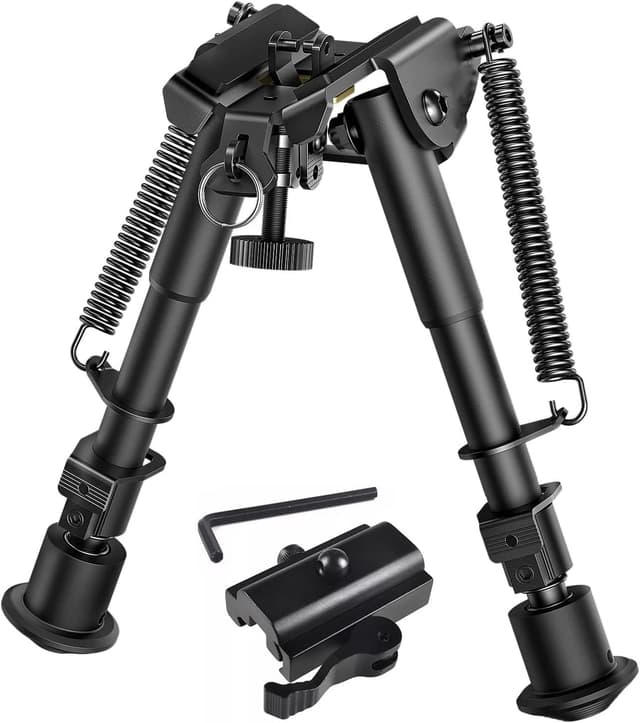
Tools and accessories form a broad category encompassing everything from tactical knives and multi-tools to specialized lights and communication devices. Tactical knives are built for strength and reliability, often featuring fixed blades or robust locking mechanisms. High-powered, durable flashlights are essential for low-light environments, while two-way radios or satellite communication devices can be vital for staying connected in remote areas.
The adoption of tactical gear by civilians highlights its inherent value in enhancing preparedness and capability. Outdoor enthusiasts, for example, rely on durable backpacks, weather-resistant clothing, and reliable navigation tools to ensure safety and success during expeditions. Emergency responders and search and rescue teams depend on robust equipment to perform their duties effectively in challenging conditions. Even for everyday carry (EDC), individuals are increasingly opting for compact, tactical-inspired tools and bags that offer durability and organization.
However, it's important to note that the effectiveness of tactical gear lies not just in its acquisition but in its proper understanding and use. Training and familiarity with the equipment are essential to maximize its benefits. Knowing how to quickly access a tool, properly adjust a vest, or efficiently organize a backpack can make all the difference in a critical situation.
In conclusion, tactical gear represents a commitment to preparedness and functionality. Its robust design and focus on practical features make it a valuable asset for a wide range of individuals and professions. By understanding its principles and investing in quality equipment, users can gain a tangible advantage in navigating demanding situations and enhancing their overall readiness.